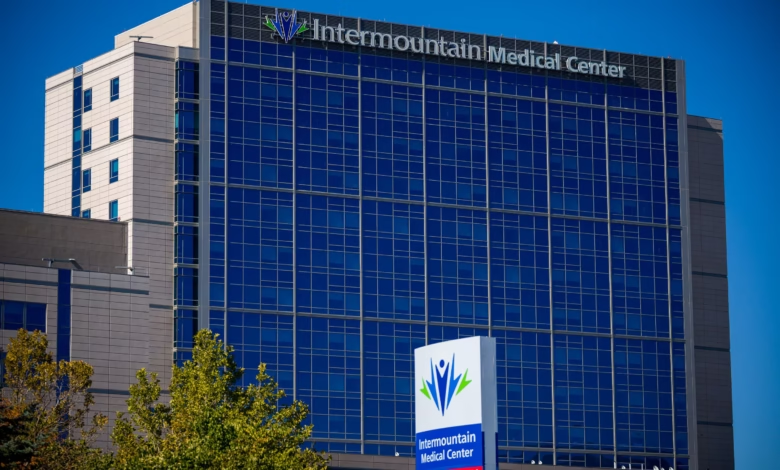
Finding a meaningful career in healthcare is about more than earning a paycheck. It is about making a real difference in the lives of patients, families, and communities every day. For many professionals, intermountain healthcare jobs represent an opportunity to build a rewarding career with an organization known for quality patient care, professional development, and a strong workplace culture. Whether you are an experienced physician, a registered nurse, a medical assistant, or someone beginning a healthcare career, understanding what these opportunities offer can help you make a confident career decision.
Why Intermountain Healthcare Is a Respected Employer
Intermountain Health is one of the largest nonprofit healthcare systems in the United States, serving millions of patients across multiple states. The organization has built a reputation for delivering high-quality care while investing in modern technology, research, and employee development.
Healthcare professionals often seek employers that value teamwork, innovation, and patient-centered care. Intermountain Health has consistently focused on these principles, creating an environment where employees can develop their skills while contributing to better health outcomes.
Because of its broad network of hospitals, clinics, specialty centers, and virtual care services, employees have opportunities to work in a variety of healthcare settings rather than being limited to a single type of facility.
A Wide Variety of Career Opportunities
One of the biggest advantages of exploring intermountain healthcare jobs is the wide range of career paths available. Clinical positions remain the foundation of the organization, but many non-clinical roles also play a vital role in delivering quality healthcare services.
Registered nurses are among the most in-demand professionals, working in emergency departments, surgical units, intensive care, pediatrics, oncology, and many other specialties. Physicians and advanced practice providers also have opportunities across numerous medical disciplines.
Beyond direct patient care, there are careers in laboratory science, pharmacy, radiology, respiratory therapy, physical therapy, occupational therapy, nutrition, behavioral health, and case management.
Administrative professionals support daily operations through finance, information technology, human resources, scheduling, patient services, compliance, and healthcare management. These positions help ensure patients receive efficient and coordinated care.
Education and Career Growth
Healthcare is constantly evolving, making lifelong learning essential for career success. One reason many professionals consider Intermountain Health is its commitment to employee education and continuous improvement.
New employees often participate in structured orientation programs designed to help them transition into their roles smoothly. Clinical staff may receive specialized training based on their department, while leadership development programs support employees interested in advancing into management positions.
Many organizations within large healthcare systems encourage continuing education, professional certifications, and advanced degrees. This investment helps employees stay current with medical advances while improving the quality of care they provide.
Career mobility is another significant advantage. Employees who begin in entry-level positions may eventually move into specialized clinical roles, education, administration, or leadership through internal opportunities.
Work Environment Focused on Teamwork
Healthcare is never a one-person job. Every patient experience depends on effective collaboration between physicians, nurses, technicians, therapists, pharmacists, support staff, and administrators.
Intermountain Health promotes interdisciplinary teamwork where every employee contributes to patient care. This collaborative environment encourages open communication, shared decision-making, and mutual respect among healthcare professionals.
Employees frequently describe teamwork as one of the most rewarding aspects of working in large healthcare organizations. Learning from colleagues with different specialties helps professionals expand their knowledge while improving patient outcomes.
Strong workplace relationships also create a supportive atmosphere during challenging situations, which can reduce stress and improve job satisfaction.
Benefits That Support Employees
Competitive compensation is only one part of choosing the right employer. Healthcare professionals also evaluate benefits that contribute to their long-term well-being.
Many intermountain healthcare jobs include comprehensive benefits packages designed to support employees both professionally and personally. Depending on eligibility and position, benefits may include health insurance, retirement savings plans, paid time off, parental leave, wellness initiatives, tuition assistance, and employee assistance programs.
Flexible scheduling may also be available in selected departments, allowing employees to better balance work responsibilities with family and personal commitments.
Organizations that prioritize employee wellness often experience higher retention rates because workers feel supported throughout different stages of their careers.
Technology Driving Better Patient Care
Modern healthcare depends heavily on technology to improve patient safety, diagnosis, treatment planning, and communication. Intermountain Health has invested significantly in digital healthcare tools that support both patients and medical professionals.
Electronic health records streamline documentation while allowing healthcare teams to access patient information efficiently. Telehealth services have expanded access to care, enabling providers to connect with patients remotely when appropriate.
Advanced imaging technology, robotic-assisted procedures, data analytics, and artificial intelligence continue transforming healthcare delivery. Employees working within technologically advanced environments gain valuable experience using tools that shape the future of medicine.
Exposure to innovative technology can strengthen professional skills while increasing long-term career opportunities.
What Employers Look For
Success in healthcare requires much more than technical knowledge. Employers seek individuals who combine professional expertise with compassion, integrity, adaptability, and excellent communication skills.
Clinical positions generally require appropriate education, licensing, certifications, and practical experience based on the role. However, interpersonal qualities remain equally important because healthcare professionals interact with patients during some of the most difficult moments of their lives.
Strong problem-solving abilities, emotional resilience, teamwork, attention to detail, and a commitment to continuous learning help candidates stand out during the hiring process.
Applicants who demonstrate genuine compassion alongside professional competence often leave a positive impression throughout interviews.
Preparing for the Application Process
Applying for healthcare positions involves careful preparation. A well-written resume should clearly highlight education, certifications, clinical experience, technical skills, and measurable achievements.
Candidates should customize their resumes for each position rather than submitting the same document for every application. Interview preparation is equally important. Reviewing common clinical scenarios, discussing patient-centered experiences, and demonstrating knowledge of organizational values can improve confidence during interviews.
Professional references from supervisors, instructors, or colleagues who can verify clinical competence and work ethic also strengthen applications.
Thorough preparation shows professionalism and increases the likelihood of receiving job offers.
Career Stability in Healthcare
Healthcare remains one of the most stable employment sectors because communities consistently require medical services regardless of economic conditions. As populations grow and age, demand for qualified healthcare professionals continues increasing across numerous specialties.
This long-term demand creates excellent career prospects for individuals entering the healthcare field as well as experienced professionals seeking advancement.
Large integrated healthcare systems frequently offer opportunities to transfer between departments, specialties, and geographic locations, allowing employees to explore new experiences without leaving the organization.
For professionals seeking long-term career security, healthcare continues to provide reliable employment opportunities with meaningful work.
Making an Impact Beyond the Workplace
Many healthcare professionals choose their careers because they want to improve lives rather than simply perform daily job responsibilities. Every interaction with patients offers an opportunity to provide comfort, education, hope, and compassionate care.
Employees working in intermountain healthcare jobs often become part of broader community health initiatives focused on preventive care, education, wellness programs, and outreach activities. These efforts strengthen community health while allowing professionals to contribute beyond hospital walls.
Whether treating emergencies, supporting chronic disease management, assisting families during recovery, or educating patients about healthy lifestyles, healthcare workers make lasting differences that extend far beyond individual appointments.
The ability to positively influence countless lives remains one of the profession’s greatest rewards.
Conclusion
Choosing the right healthcare employer is one of the most important career decisions any medical professional can make. Intermountain healthcare jobs provide opportunities across clinical, administrative, technical, and support roles within an organization recognized for patient-centered care, innovation, professional growth, and collaboration.
For individuals who value continuous learning, supportive teamwork, advanced technology, and meaningful work, these career opportunities offer far more than employment. They provide a pathway toward long-term professional development while making a measurable difference in the health and well-being of the communities they serve.
As healthcare continues evolving, professionals who invest in their education, strengthen their skills, and remain committed to compassionate patient care will be well positioned to build successful and fulfilling careers within organizations like Intermountain Health.
Frequently Asked Questions
What types of positions are available through Intermountain Healthcare jobs?
Intermountain Health offers careers in nursing, physician services, pharmacy, laboratory science, radiology, rehabilitation, behavioral health, administration, information technology, finance, human resources, and many other healthcare support roles.
Do Intermountain Healthcare jobs offer career advancement opportunities?
Yes. Employees often have access to professional development programs, continuing education, leadership training, and opportunities to apply for internal positions that support long-term career growth.
Are entry-level healthcare positions available?
Many entry-level opportunities exist in patient care support, administration, customer service, medical assisting, laboratory support, and various technical departments. These positions can provide valuable experience for future career advancement.
What skills help candidates succeed during the hiring process?
Employers typically value clinical knowledge, communication skills, teamwork, adaptability, professionalism, compassion, problem-solving abilities, and a commitment to delivering high-quality patient care.
Why are Intermountain Healthcare jobs popular among healthcare professionals?
Many professionals appreciate the organization’s reputation for quality care, collaborative work environment, investment in employee development, modern healthcare technology, comprehensive benefits, and opportunities for long-term career growth.
You May Also Read

